HICLOVER Waste Incinerators: Portable, Efficient, and Compliant Solutions
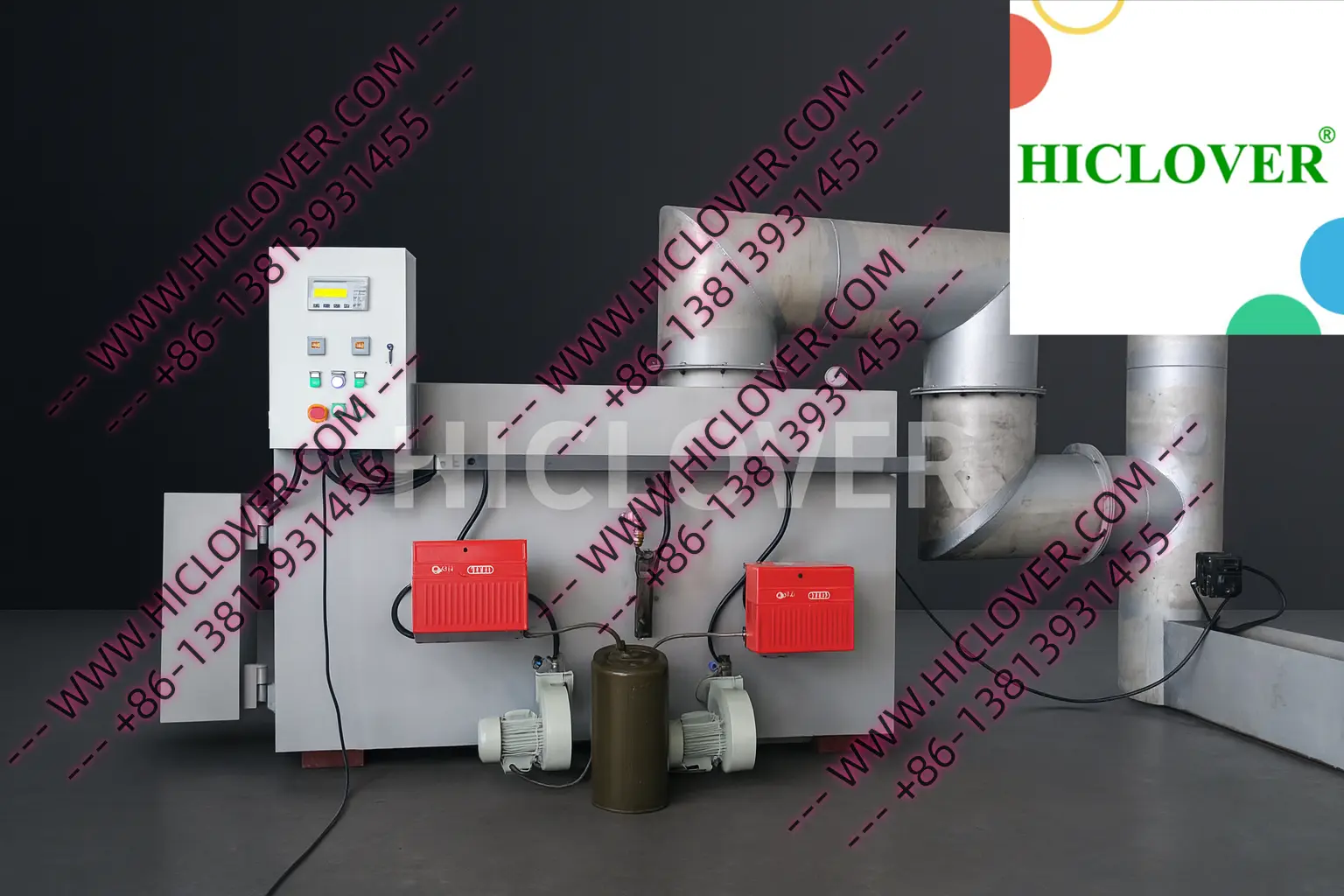
A modern HICLOVER small-scale incinerator designed for medical waste, featuring a dual-chamber combustion system for cleaner emissions. HICLOVER, a leading provider of waste incineration technology, has developed a product line tailored to meet the needs of remote and high-risk environments. These incinerators exemplify the key features that international authorities recommend – and they package them in a robust, user-friendly design suitable for challenging conditions. HICLOVER units have been chosen for deployment in UN-funded projects and humanitarian operations owing to their reliability and adherence to strict standards[22].
Some defining advantages of the HICLOVER incinerator series include:
· High-Temperature Dual Chambers: Each unit is built with a primary combustion chamber (for initial waste burning) and a secondary chamber that heats to 1000–1300 °C to reburn the exhaust gases. This two-stage process ensures complete combustion of waste and minimal release of smoke or harmful gases[23][24]. By achieving the high temperatures and retention time recommended by WHO, HICLOVER incinerators can comply with stringent emission limits (for example, the EU dioxin/furan limit of 0.1 ng TEQ/m³) when destroying medical waste[25].
· Portability and Rapid Setup: HICLOVER offers models that are containerized or trailer-mounted, enabling quick transport and installation in the field[17]. For example, a mid-sized unit can be delivered in a standard 20-foot container, already assembled – operators simply fuel it and start the burn cycle. This is ideal for emergency camps or remote district hospitals that cannot wait for lengthy construction. The equipment is designed to function in harsh climates as well, with corrosion-resistant coatings and sturdy refractory linings that endure repeated high-temperature use[26].
· Fuel Efficiency and Automation: Advanced control systems (PLC-based) and intelligent sensors optimize the combustion process to use fuel effectively and keep temperatures stable[27][28]. Features like automatic burner control, temperature monitoring, and safety shut-offs mean that even a small team can operate the incinerator safely with minimal training. Some HICLOVER models include an intelligent fuel-saving mode that adjusts burner output to maintain ideal temperatures without wasting diesel[27]. These efficiencies are especially valuable where fuel logistics are difficult, such as isolated health posts.
· Emission Control Systems: To further reduce environmental impact, HICLOVER units can be fitted with optional scrubbers and filters. Wet scrubber systems and dry filtration modules help remove particulate matter and neutralize acidic gases in the exhaust[29][30]. This ensures the incinerators not only destroy waste but also protect air quality – a factor important to environmental agencies and donors. Many HICLOVER models are built to meet or exceed international air emission standards, and performance can be factory-tested to verify compliance with WHO and EU guidelines.
· Compliance and Certifications: HICLOVER incinerators are manufactured under ISO 9001 quality management and carry certifications such as CE marking, indicating adherence to rigorous safety and environmental directives[12]. Because they align with internationally recognized standards, these incinerators are often approved for use in donor-funded programs by UN agencies, the World Bank, and government health ministries[31]. This compliance gives purchasers confidence that the equipment will meet regulatory requirements for emissions and safety out of the box, avoiding potential legal or operational issues.
Backed by global after-sales support and training, HICLOVER’s solutions have been deployed in many countries – from small island nations to large disaster relief operations. Field reports highlight the units’ durability in extreme conditions and their contribution to improving waste management practices locally[32]. In summary, the HICLOVER line demonstrates how modern engineering can deliver practical incineration technology that aligns with the guidance of UN and environmental authorities, while being realistic about on-the-ground needs like portability and ease of use.
Small-scale waste incinerators play an increasingly important role in the global effort to manage waste safely and sustainably. They fill a critical gap in situations where standard waste disposal services are absent – whether in a remote village, a pop-up field hospital, or a country rebuilding its healthcare system. The guidance and support from the United Nations, WHO, and international NGOs have been pivotal in legitimizing and improving these technologies: by setting high performance standards and by funding deployments, these organizations ensure that even lower-income and crisis-affected regions can access safe waste destruction methods. At the same time, companies like HICLOVER have innovated to create incinerators that meet these global standards while remaining practical for tough environments.
The result is a convergence of policy and technology that benefits a broad array of stakeholders. Public health officials see reduced infection risks and cleaner communities. Environmental regulators gain confidence that hazardous waste is being neutralized with minimal emissions. Humanitarian and development agencies get a reliable tool to implement WASH and healthcare programs. Even businesses and local entrepreneurs find opportunities in operating these incinerators as a service, contributing to waste management and potentially energy recovery. Overall, the landscape for small-scale medical waste incinerators is one of collaborative progress – guided by international best practices and empowered by innovative solutions like HICLOVER – aimed at safeguarding health and the environment in every corner of the world.
2025-12-11/12:02:58
|
Incinerator Items/Model |
HICLOVER TS100(PLC)
|
|
Burn Rate (Average) |
100kg/hour |
|
Feed Capacity(Average) |
150kg/feeding |
|
Control Mode |
PLC Automatic |
|
Intelligent Sensor |
Continuously Feeding with Worker Protection |
|
High Temperature Retention(HTR) |
Yes (Adjustable) |
|
Intelligent Save Fuel Function |
Yes |
|
Primary Combustion Chamber |
1200Liters(1.2m3) |
|
Internal Dimensions |
120x100x100cm |
|
Secondary Chamber |
600L |
|
Smoke Filter Chamber |
Yes |
|
Feed Mode |
Manual |
|
Burner Type |
Italy Brand |
|
Temperature Monitor |
Yes |
|
Temperature Thermometer |
Corundum Probe Tube, 1400℃Rate. |
|
Temperature Protection |
Yes |
|
Automatic Cooling |
Yes |
|
Automatic False Alarm |
Yes |
|
Automatic Protection Operator(APO) |
Yes |
|
Time Setting |
Yes |
|
Progress Display Bar |
3.7 in” LCD Screen |
|
Oil Tank |
200L |
|
Chimney Type |
Stainless Steel 304 |
|
1st. Chamber Temperature |
800℃–1000℃ |
|
2nd. Chamber Temperature |
1000℃-1300℃ |
|
Residency Time |
2.0 Sec. |
|
Gross Weight |
7000kg |
|
External Dimensions |
270x170x190cm(Incinerator Main Body) |
|
Burner operation |
Automatic On/Off |
|
Optional |
|
|
Wet Scrubber |
Optional |
|
Optional |
|
|
Asbestos Mercury Material |
None |
|
Heat Heart Technology(HHT) |
Optional |
|
Optional |
|
|
Dual Control Mode(Manual/Automatic) |
Optional |
|
Temperature Record |
Optional |
|
Enhanced Temperature Thermometer |
Optional |
|
Incinerator Operator PPE Kits |
Optional |
|
Backup Spare Parts Kits |
Optional |
|
Optional:Containerized/Trailer/Sledge Optional |


Comments are closed